


TL;DR
- Compared with the previous Friday’s close, all three major U.S. stock indexes declined during the week of July 20–24, 2026. The S&P 500 fell 0.61% to close at 7,411.98, the Nasdaq Composite dropped 2.13% to 24,975.82, and the Dow Jones Industrial Average decreased 0.38% to 51,947.25. The market downturn was driven by concerns over Big Tech capital expenditure targets and continued weakness in semiconductor stocks.
- Geopolitical supply disruptions triggered a sharp rally in energy markets, with Brent crude rising 11.5% on the week to settle at US$98.69 per barrel on Friday. Escalating tensions and tanker blockades in the Persian Gulf and Red Sea raised concerns over potential disruptions to global oil transportation.
- Safe-haven demand remained limited as Treasury yields climbed across the curve, with the 10-year yield reaching 4.681%. Meanwhile, spot gold closed at approximately US$4,053 per ounce, supported by persistent inflation concerns and market repricing of the Fed’s interest rate outlook.
- STRC continued trading below par at around US$86, while institutional ownership increased, making it the largest holding across three major U.S. preferred stock ETFs.
- KB Kookmin Bank partnered with JPMorgan’s Kinexys to explore blockchain-based payment infrastructure in South Korea.
- Kakao and Circle are exploring KRW-backed stablecoin payment solutions in South Korea.
- Augustus raised US$180M at a US$1B valuation to build stablecoin-era clearing infrastructure.
Macro Overview
Big Tech AI CapEx Fears and Middle East Energy Shocks Re-anchor Risk Sentiment
Global financial markets experienced another volatile “risk-off” week for the period ending July 24, 2026. The sell-off was driven by a combination of high-profile Big Tech earnings highlighting massive capital expenditure forecasts, alongside an energy supply shock stemming from escalations in the U.S.–Iran conflict. The benchmark S&P 500 index shed 0.61% for the week to close at 7,411.98 points, while the tech-heavy Nasdaq Composite dropped 2.13% to finish at 24,975.82 points. Weakness was particularly noticeable in semiconductors.
The primary catalyst for growth equity pressure was the start of the Q2 earnings season for mega-cap technology. Alphabet raised its full-year capital expenditure forecast to between $195 billion and $205 billion, while Tesla disclosed its first cash burn in two years and forecasted expanding capital outlays. These announcements renewed institutional worries regarding whether massive artificial intelligence investments will generate timely returns on capital, prompting asset reallocation away from rich tech valuations.
Geopolitical risk premiums surged as the conflict between the United States and Iran expanded into naval blockades in the Persian Gulf and Red Sea. The sudden threat to Middle Eastern supply routes drove a massive spike in crude oil. Brent crude futures gained 11.5% on the week to settle around US$98.69 per barrel, while U.S. West Texas Intermediate (WTI) jumped 10.55% to US$91.47 per barrel.
In fixed income and precious metals, energy-driven inflation risks reshaped rate expectations. Strong domestic macro indicators — including preliminary S&P Global Composite PMI reaching an 8-month high of 53.6 and initial jobless claims dropping to 187,000 — further signaled underlying economic resilience. Consequently, bond markets priced in an increased likelihood of Federal Reserve monetary tightening, pushing the benchmark 10-year Treasury yield up to 4.681%. The sharp rise in real yields and the U.S. dollar capped upside for spot gold, which closed at ~US$4,053 per ounce.
Asset Class Highlights
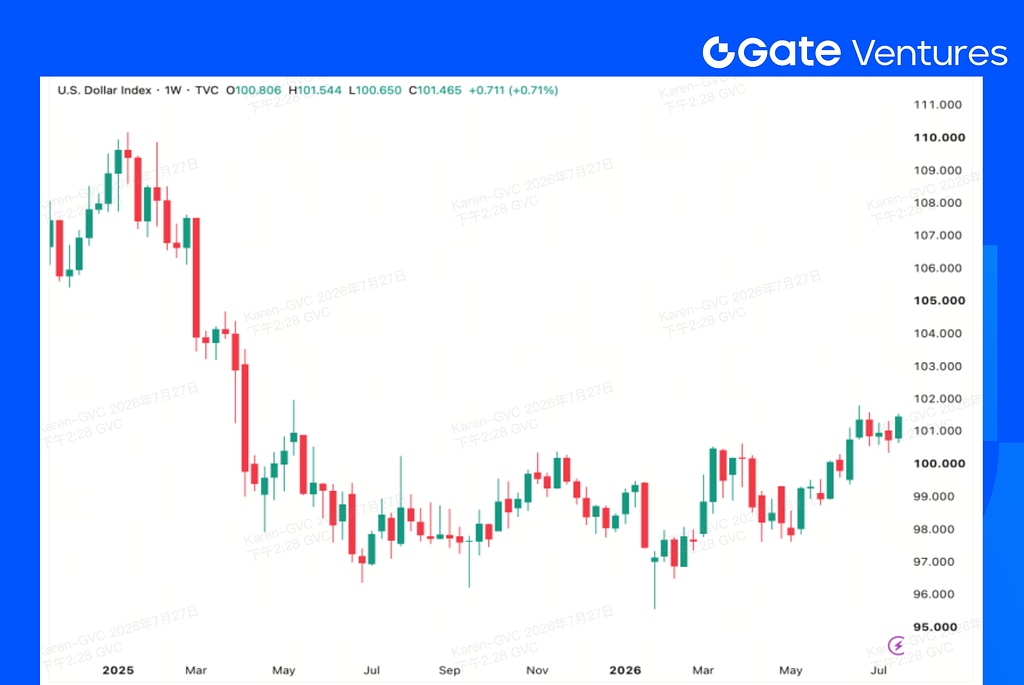
The U.S. Dollar Index gained approximately 0.71% on the week to close around 101.47. The dollar’s rise was supported by sticky energy inflation, strong economic activity data, and increasing market bets on potential Federal Reserve interest rate hikes.
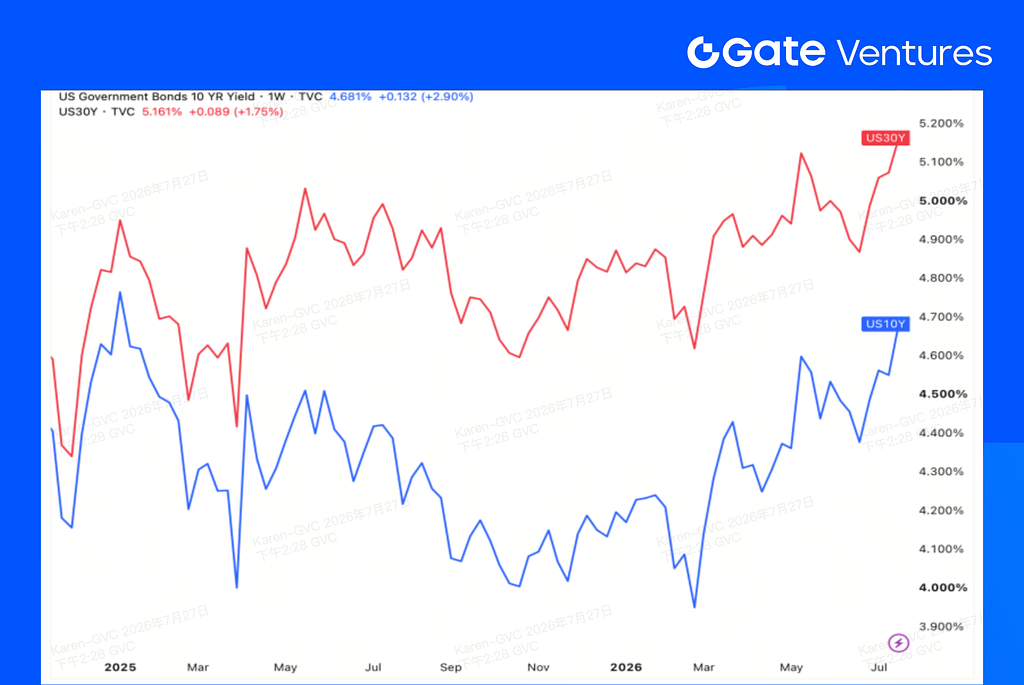
Government bond yields moved higher across the board as traders re-evaluated Fed policy paths. The 10-year Treasury yield rose to 4.681% (up from 4.549% the prior week), while the 30-year yield climbed to 5.161% (up from 5.072%).
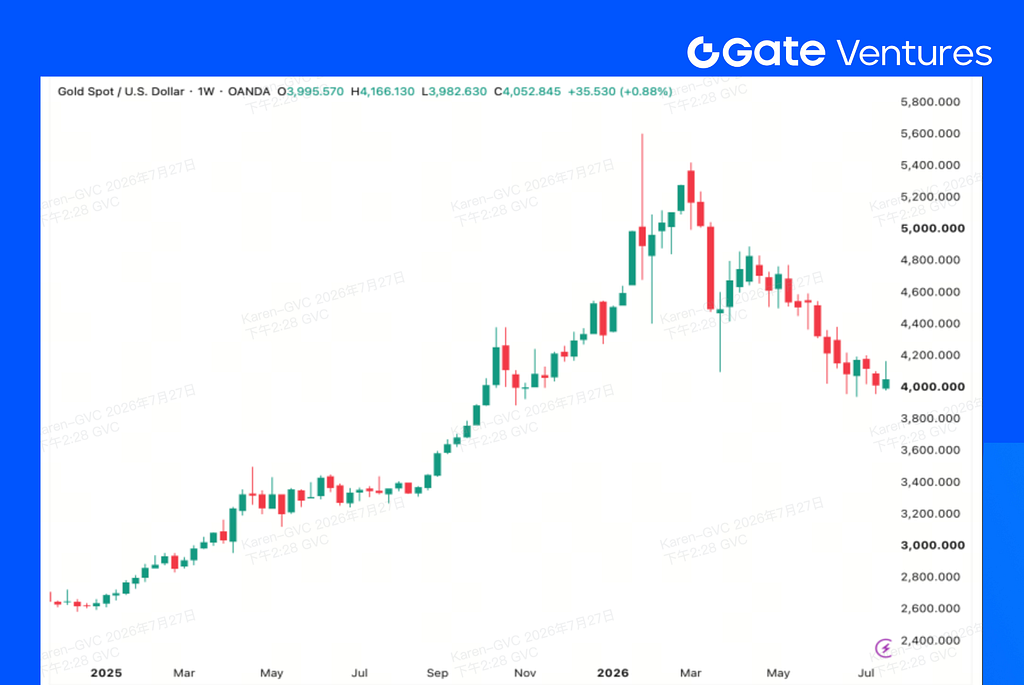
Spot gold traded in a range between US$3,983 and US$4,166 per ounce and closed at ~US$4,053 per ounce. Rising bond yields and dollar strength balanced out safe-haven demand stemming from Middle Eastern geopolitical risks.
Crypto Markets Overview
1. Main Assets
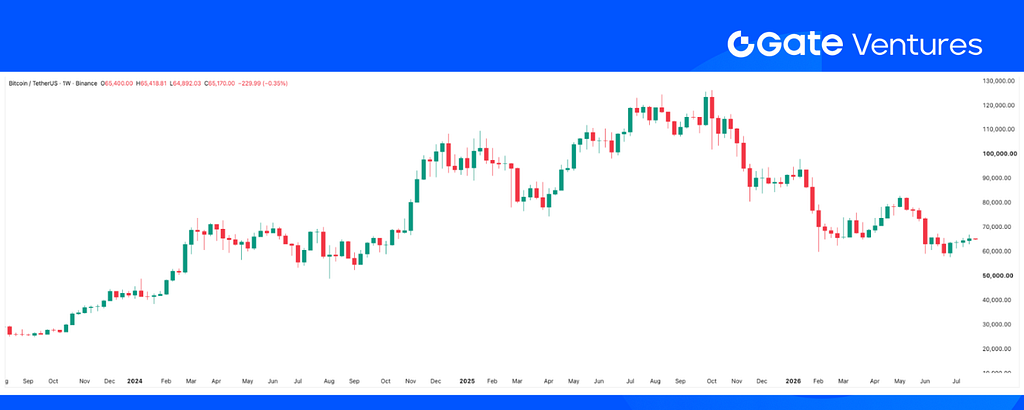
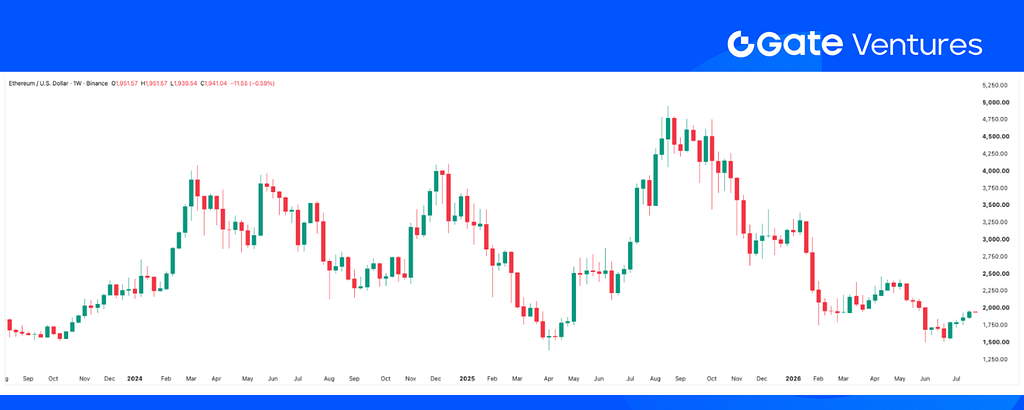
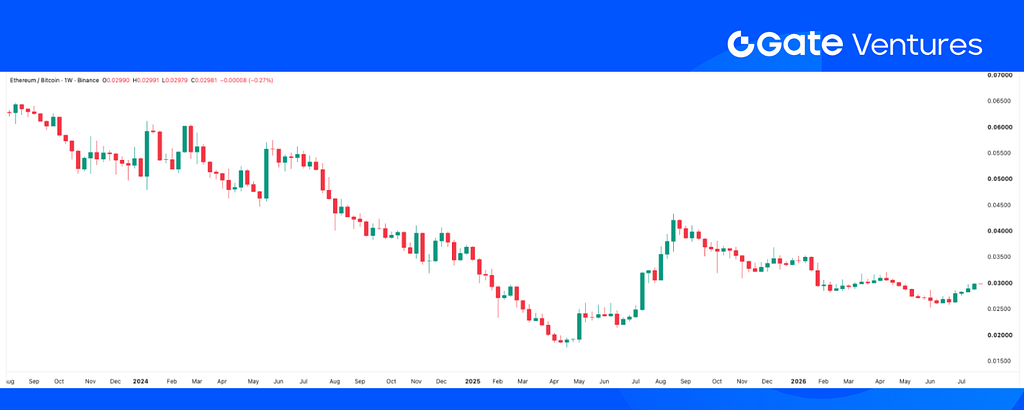
BTC gained 1.1% last week, while ETH rose 4.4%, pushing the ETH/BTC ratio up 2.2%.
Spot BTC ETFs recorded just $33.8 million in weekly net inflows, which is the lowest level since their launch, while spot ETH ETFs attracted $103.9 million. (5)
Market sentiment improved slightly to 30 but remained in the “Fear” zone. (6)
2. Total Market Cap
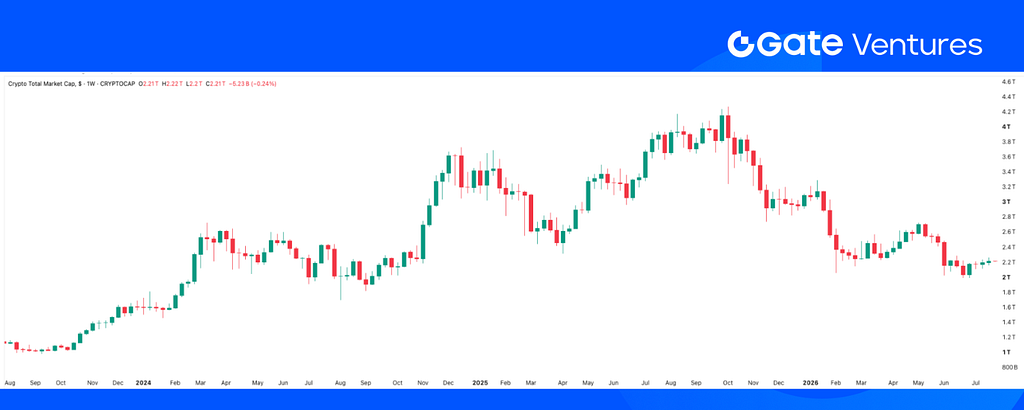
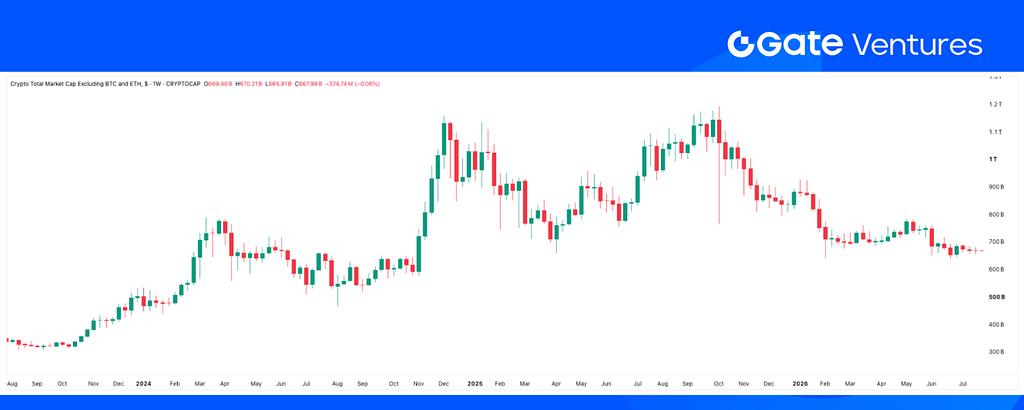
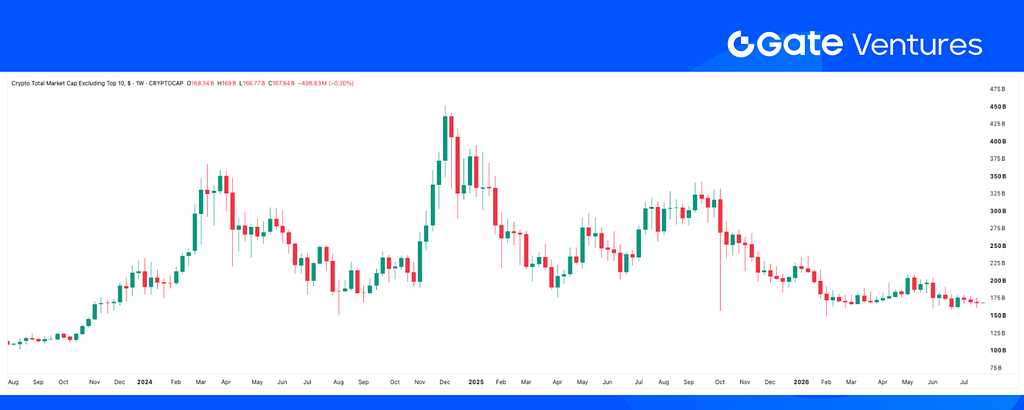
Total crypto market capitalization rose 1.03% last week. Excluding BTC and ETH, market capitalization remained broadly flat, declining just 0.1%, while the broader market outside the top 10 fell only 0.7%.
3. STRC Performance
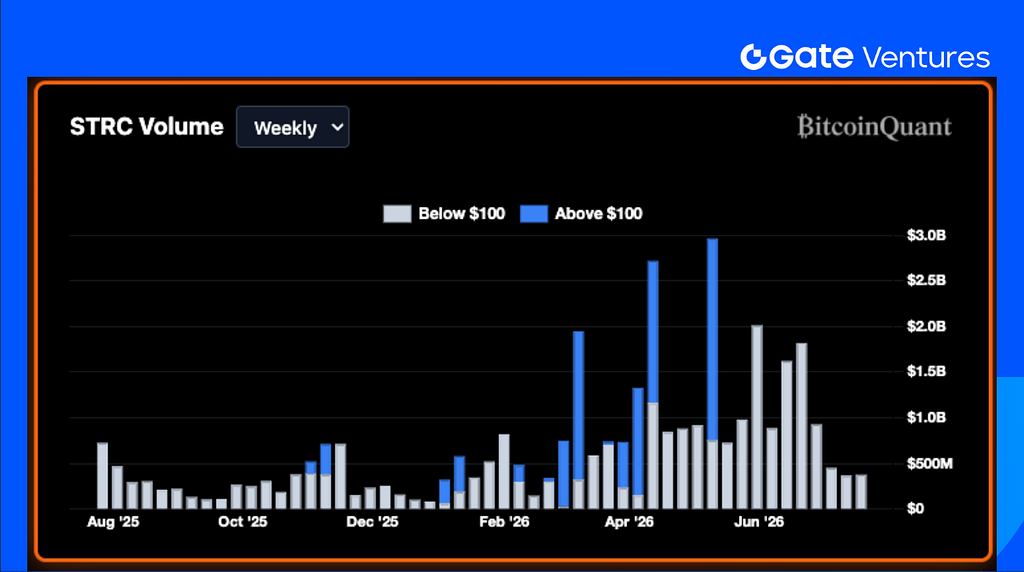
STRC recorded US$377 million in trading volume last week and remained below par for the ninth consecutive week, with its price holding at around US$86.
Digital credit is increasingly entering the institutional mainstream. STRC is now the largest holding in three major U.S. preferred stock ETFs, with a combined US$756 million held across BlackRock’s PFF, Virtus InfraCap’s PFFA, and VanEck’s PFXF. (7)
Retail ownership declined from 78% in March to 71% in July, while institutional holdings increased by 105%, reflecting growing adoption among professional investors.
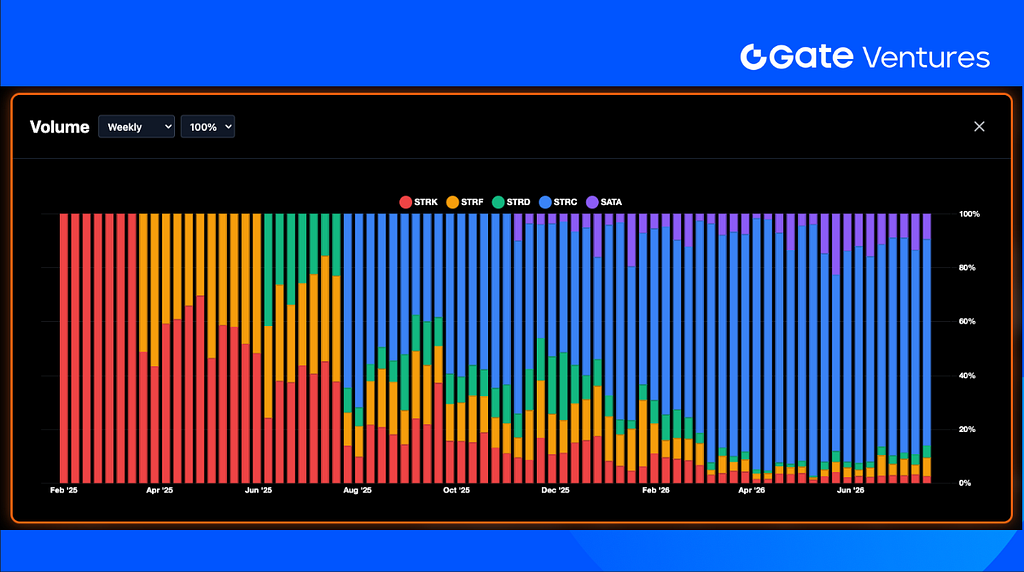
Among Bitcoin treasury preferred securities, STRC accounted for 76.6% of total trading volume last week, up from 75.7% last week. The second largest was Strive’s SATA, which accounts for 9.4%. (8)
4. Top 30 Crypto Assets Performance
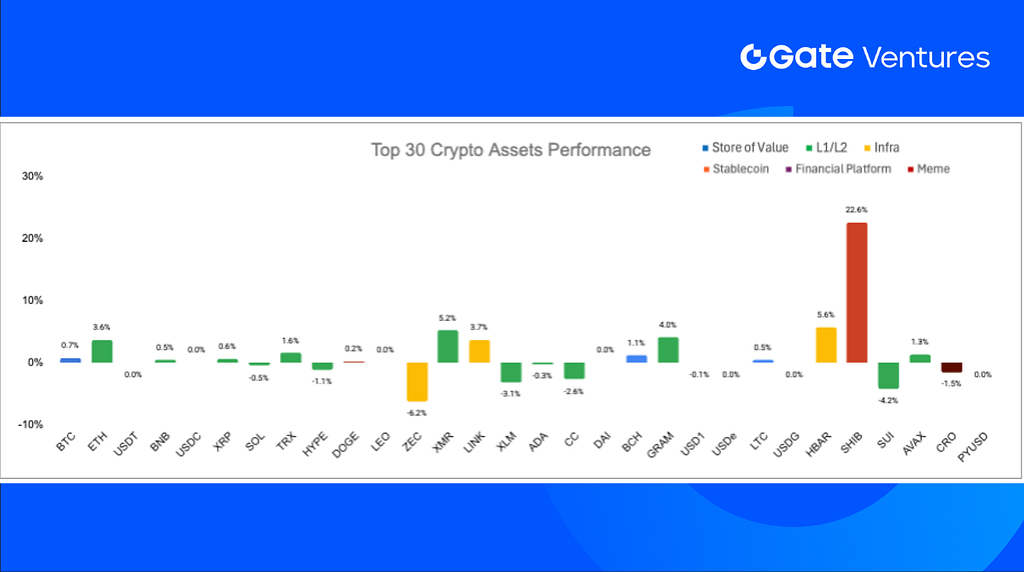
The top 30 cryptocurrencies dropped 1.1% on average last week, with SHIB leading the market.
The Key Crypto Highlights
1. KB Kookmin Bank brings JPMorgan’s Kinexys payments to South Korea
South Korea’s largest lender, KB Kookmin Bank, will launch a blockchain-based cross-border payment service in August using JPMorgan’s Kinexys network. The service will initially support US dollar payments for import and export businesses across 10 countries, including the US, Singapore, Saudi Arabia and the UAE, while integrating with existing SWIFT infrastructure to enable near-instant transfers and foreign-exchange settlement. The rollout marks a further step toward institutional blockchain adoption, with tokenized bank deposits and blockchain payment rails increasingly being integrated into traditional cross-border banking systems. (9)
2. Kakao and Circle explore won-backed stablecoin payments in South Korea
Kakao Group, Kakao Pay and Kakao Bank have signed an MOU with Circle to explore payment infrastructure for won-denominated stablecoins, connecting Circle’s blockchain and global settlement network with Kakao’s consumer and financial platforms. The partnership will assess use cases including retail payments, cross-border remittances, merchant settlement and tokenized financial services, although no specific products or launch timeline have been announced. The initiative reflects how major South Korean technology and financial groups are positioning ahead of expected stablecoin legislation, as policymakers continue debating issuer eligibility, reserve requirements and oversight for won-backed tokens. (10)
3. BPI pilots stablecoin payments for Filipino remote workers
The Bank of the Philippine Islands (BPI) is preparing a stablecoin-based cross-border settlement pilot with digital clearinghouse Meridian, targeting freelancers, virtual assistants and other Filipino workers receiving overseas income. Stablecoins will be used as the settlement layer before funds are converted into Philippine pesos and credited directly to recipients’ BPI accounts, reducing payment costs and processing times without requiring users to hold crypto. The initiative reflects growing bank-led adoption of stablecoin rails for remittances and payroll, although any broader rollout will remain subject to central-bank coordination, consumer protection and reserve-transparency requirements. (11)
Key Ventures Deals
1. Augustus raises US$180M at a US$1B valuation to build stablecoin-era clearing infrastructure
Augustus is an AI-native clearing bank building always-on payment infrastructure that connects traditional banking rails with stablecoin networks for financial institutions, fintechs and crypto companies. The company raised US$180 million in a Tiger Global-led round at a US$1 billion valuation, with the capital supporting U.S. dollar clearing, international expansion and its planned transition into a federally chartered U.S. bank following conditional OCC approval. Rather than issuing its own stablecoin, Augustus aims to modernize correspondent banking through programmable, 24/7 settlement, reflecting growing investor demand for regulated infrastructure that bridges stablecoins with the traditional financial system.(12)
2. Tenor raises extended seed round led by Variant
Tenor is a non-custodial lending platform providing asset managers and large borrowers with access to fixed-rate stablecoin markets through institutional-grade execution and account-management tools. The company raised an undisclosed extended seed round led by Variant, with participation from Nascent and existing backers including Prelude, Coinbase Ventures, Lattice and Very Early, following its US$2.5 million pre-seed round in 2025. Built on Morpho’s Midnight fixed-rate lending infrastructure, Tenor adds customizable markets, OTC matching and organizational permission controls, reflecting growing investor interest in bringing institutional credit and the global fixed-income market on-chain. (13)
3. Adapt secures strategic investment to scale AI-powered quantitative trading
Adapt is an AI-native trading platform that provides users with institutional-grade quantitative capabilities through a coordinated network of autonomous trading agents. The platform combines 100-millisecond execution latency, continuous market monitoring and infrastructure designed to support more than one million concurrent agents across the Sui ecosystem. The strategic investment will support further product development and ecosystem expansion, reflecting growing investor interest in AI agents that can independently analyze markets, execute strategies and manage on-chain portfolios at institutional speed. (14)
Ventures Market Metrics
The number of deals closed in the previous week was 8, Infra having 4 deals, Social having 3 deals, and DeFi having 1 deal.
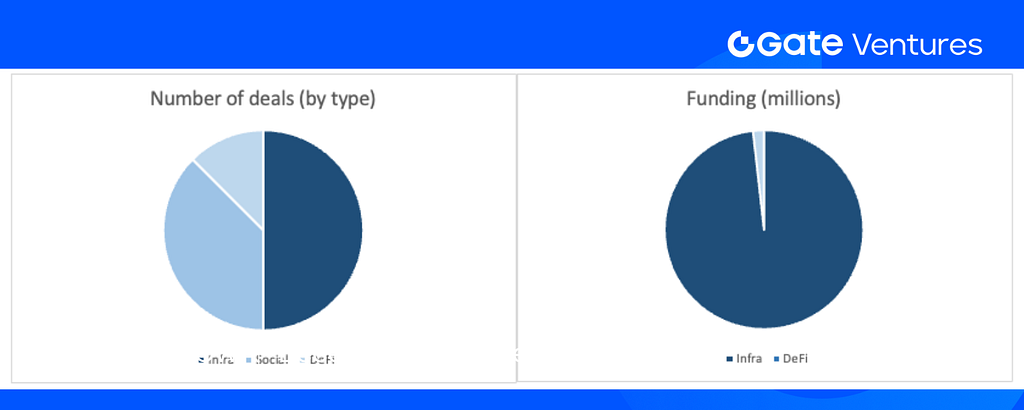
The total amount of disclosed funding raised in the previous week was $196.5M. 4 deals did not disclose the fundraising amount. The top funding came from the Infra sector with $193M. Most funded deals: Augustus ($180M).
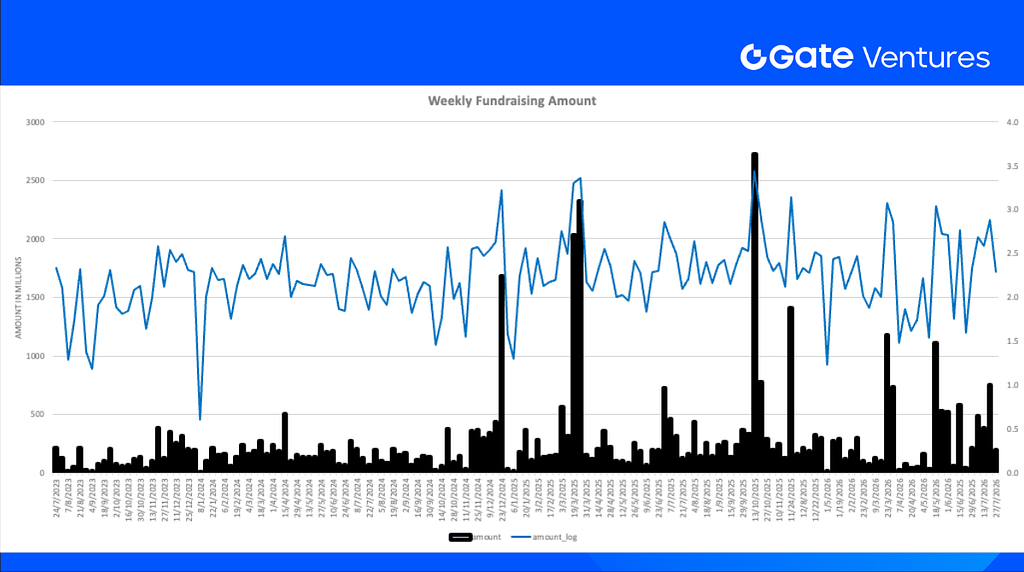
Total weekly fundraising surged to $196.5M for the fourth week of July-2026, a decrease of 74% compared to the week prior.
About Gate Ventures
Gate Ventures, the venture capital arm of Gate.com, is focused on investments in decentralized infrastructure, middleware, and applications that will reshape the world in the Web 3.0 age. Working with industry leaders across the globe, Gate Ventures helps promising teams and startups that possess the ideas and capabilities needed to redefine social and financial interactions.
Website | Twitter | Medium | LinkedIn
The content herein does not constitute any offer, solicitation, or recommendation. You should always seek independent professional advice before making any investment decisions. Please note that Gate Ventures may restrict or prohibit the use of all or a portion of the services from restricted locations. For more information, please read its applicable user agreement.
Reference:
- Reuters: Nasdaq lags on angst over AI spending ahead of earnings reports, https://www.reuters.com/business/wall-st-futures-rise-after-tech-rout-mideast-tariffs-focus-2026-07-24/
- DXY Index, Investing.com, https://www.investing.com/indices/usdollar?cid=1224074
- US 10 Year Bond Yield, US 30 Year Bond Yield, Investing.com, https://www.investing.com/rates-bonds/u.s.-10-year-bond-yield, https://www.investing.com/rates-bonds/u.s.-30-year-bond-yield
- Gold Price, Investing.com, https://www.investing.com/currencies/xau-usd
- BTC & ETH ETF Inflow: https://sosovalue.com/tc/assets/etf/us-btc-spot
- BTC Greed and Fear Index: https://alternative.me/crypto/fear-and-greed-index/
- STRC as the largest holding of three ETFs: https://x.com/saylor/status/2080671686496551085?s=20
- STRC Institutional Adoption: https://bitcoinquant.co/preferred-equity
- KB Kookmin Bank brings JPMorgan’s Kinexys payments to South Korea, https://cointelegraph.com/news/south-korea-bank-payment-jpmorgans-kinexys
- Kakao and Circle explore won-backed stablecoin payments in South Korea, https://cointelegraph.com/news/kakao-circle-won-stablecoin-payment-infrastructure
- BPI pilots stablecoin payments for Filipino remote workers, https://cointelegraph.com/news/philippine-bank-bpi-plans-stablecoin-payments-pilot
- Augustus raises US$180M at a US$1B valuation to build stablecoin-era clearing infrastructure, https://www.coindesk.com/business/2026/07/21/augustus-raises-usd180-million-to-build-a-clearing-bank-for-the-ai-and-stablecoin-era
- Tenor raises extended seed round led by Variant, https://x.com/TenorFinance/status/2079944403544649806
- Adapt secures strategic investment to scale AI-powered quantitative trading, https://x.com/adapthf/status/2077421198481543568?s=46
【免责声明】市场有风险,投资需谨慎。本文不构成投资建议,用户应考虑本文中的任何意见、观点或结论是否符合其特定状况。据此投资,责任自负。